Notes from the Field — Dispatch, June 22, 2026
In nine months, the federal government has tried at least nine different ways to find out who is allowed to vote in November. It has lost nine times.
The mechanisms keep changing. The target does not.
On June 22, U.S. District Judge Sparkle Sooknanan blocked the administration’s overhaul of the SAVE database — a decades-old system built to verify immigration status, quietly repurposed last year to let states check voter rolls against it, and in the process, to share Americans’ partial Social Security numbers, addresses, and birth dates across an agency line Congress never authorized. Sooknanan’s 75-page ruling found the government had violated the Social Security Act, the Privacy Act, and the Administrative Procedure Act at once. “The federal government has knowingly trampled on the privacy rights of American citizens in a manner that threatens the sacred right to vote,” she wrote. Several Republican-led states had already used the flawed system to purge voters flagged, sometimes wrongly, as noncitizens.
That was defeat number eight or nine, depending on how the count is kept. The others: a separate judge blocking a 2025 executive order that would have required documentary proof of citizenship to register, on separation-of-powers grounds. A federal judge dismissing the Justice Department’s lawsuit for Maryland’s complete voter rolls. An appeals court handing the DOJ its worst loss yet in a parallel demand for Michigan’s. And on June 25 — the same week — Sooknanan again, this time halting a second executive order that would have built a federal voter list from scratch.
Each ruling turns on different law. Privacy statutes in one, separation of powers in another, administrative procedure in a third. That variety is not evidence the campaign is scattered. It is evidence of how many doors have been tried against the same room. Since January, judges have rejected nine separate federal lawsuits demanding that thirty states and the District of Columbia hand over complete voter data. When the lawsuits didn’t work, an executive order tried the same thing by fiat. When the order didn’t work, a database repurposing tried it administratively. When that didn’t work, a second order proposed building the list directly. A federal law professor, reviewing the SAVE ruling, put the practical result plainly: the government is now left providing states less reliable citizenship data than before — not because it stopped wanting the data, but because every version of getting it has been found unlawful.
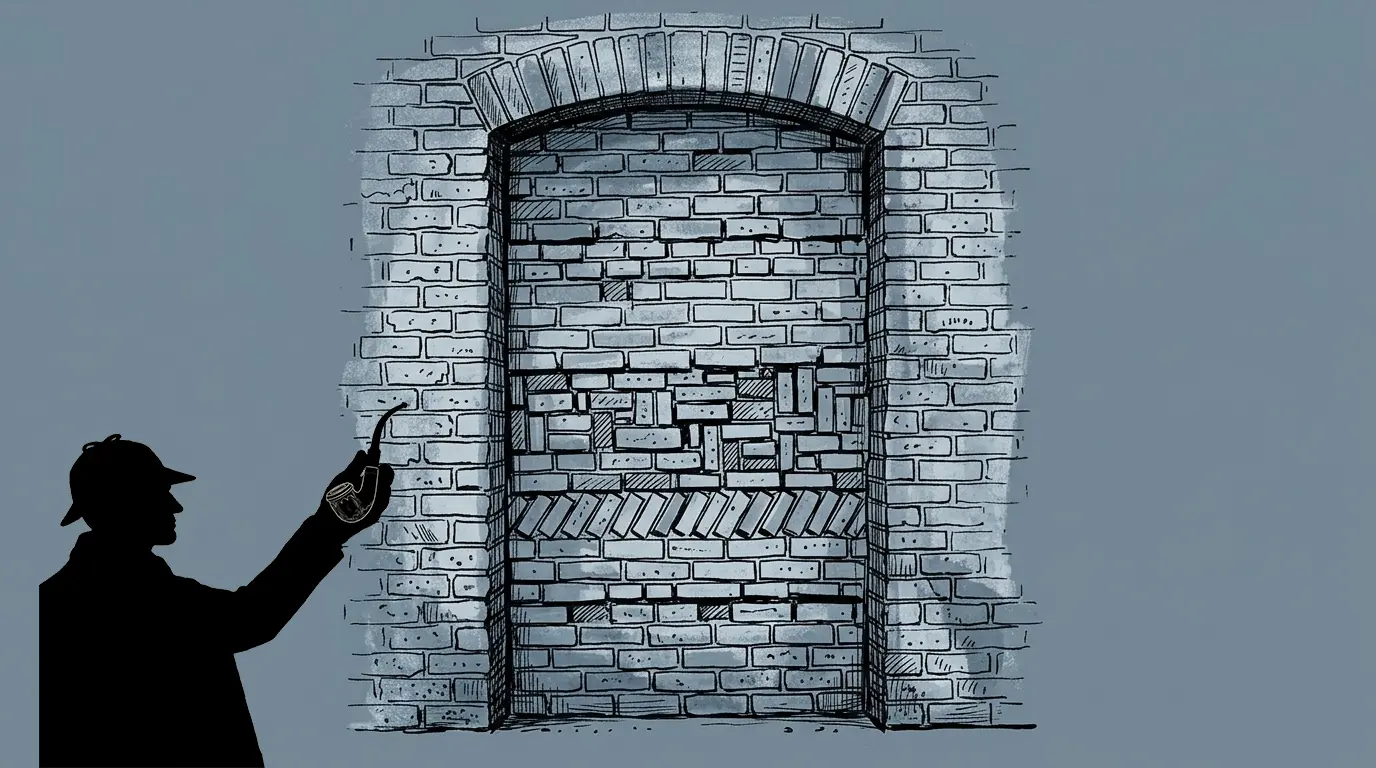
This is what Essay 11 named as the frozen room: a structure whose rules were fixed by people who benefit from the freeze, defended not through one decisive act but through the accumulation of many small ones, each individually deniable. No single loss here proves intent. Nine losses, on nine different legal theories, aimed at the same outcome — deciding, at the federal level, who counts as a legitimate voter ahead of a midterm election — is not evidence of coincidence. It is evidence of an objective that survives its vehicles.
First a database. Then an order. Then a lawsuit, thirty times over. Then another order. Each one struck down on its own terms, by different judges, citing different statutes, arriving at the same result. The courts have now blocked the vehicle nine times. They cannot block the destination, because the destination has never had to appear in court. It only shows up in the pattern of who keeps trying to get there.
Essay 11 — Out of Frame
(Broken Frames — Block 5: The Locked Door — not yet published)
Sources: CBS News, “Judge blocks Trump administration’s overhauled database of Americans’ personal information,” June 22, 2026. NBC News, “Judge blocks Trump administration’s use of revamped immigration database to check voter rolls,” June 22, 2026. Votebeat, “Judge blocks Trump administration’s overhaul of SAVE database,” June 22, 2026. PBS NewsHour, “Federal judge dismisses Justice Department lawsuit seeking detailed Maryland voter data,” June 24, 2026. CNN, “Appeals court deals biggest setback yet to Trump DOJ’s demands for confidential voter roll data,” June 24, 2026. The Guardian, “Federal judge blocks Trump effort to make voters show proof of citizenship,” June 24, 2026. PBS NewsHour, “Federal judge halts Trump’s election executive order seeking to create a federal voter list,” June 25, 2026.
Leave a Reply