Notes from the Field — September 3, 2026
For several days at the end of August, the federal government’s own measles count for 2026 read zero deaths. An hour outside Philadelphia, two people were already dead.
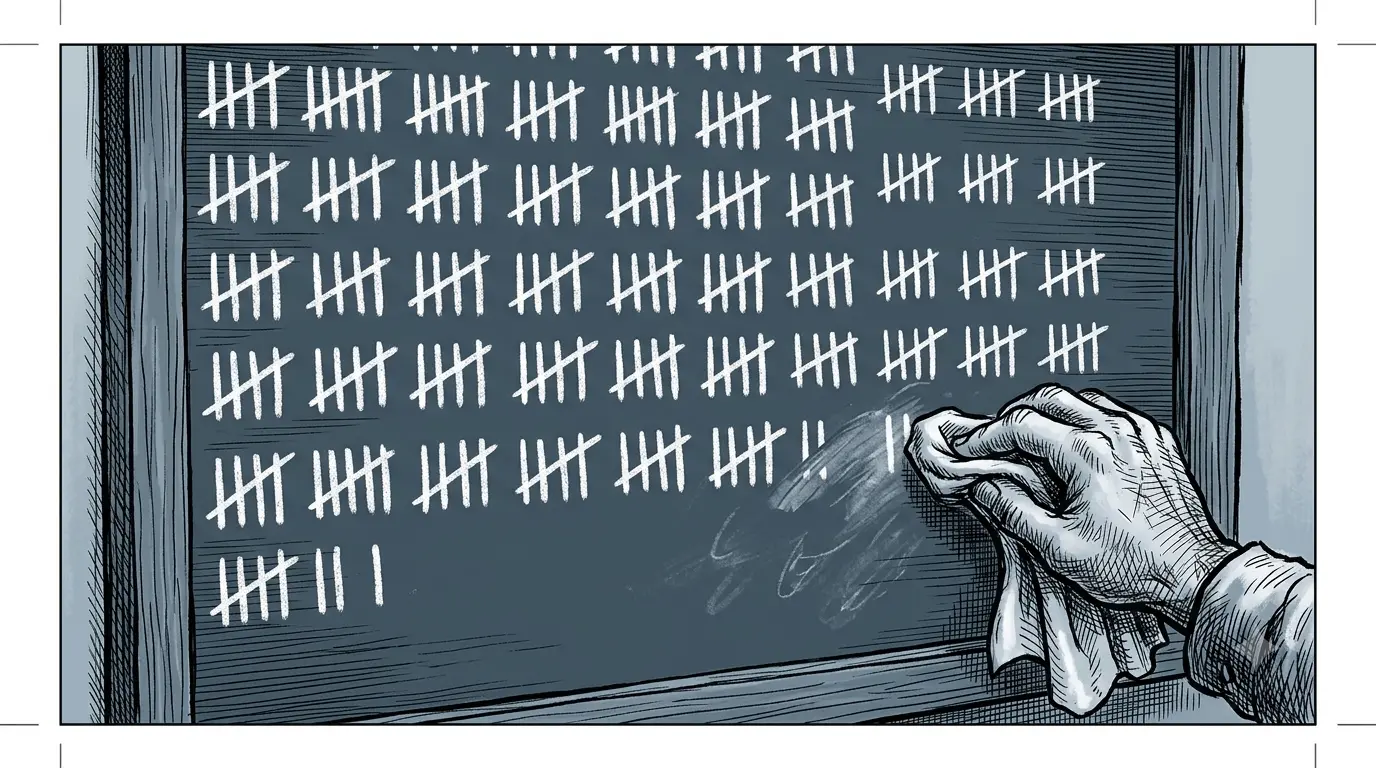
Pennsylvania confirmed the state’s first measles deaths in thirty-five years on August 25 — two unvaccinated residents of Lancaster County. State health officials said they had investigated both cases thoroughly before announcing them. Health and Human Services Secretary Robert F. Kennedy Jr. disputed the finding publicly within days, suggesting the deaths might have been misclassified, or even invented by the governor’s office. The following weekend, the Centers for Disease Control and Prevention removed both deaths from its national tally, posting a note that the available information did not establish whether measles caused or contributed to them — language that closely tracked what Kennedy had already said online.
Reuters later reported, citing three people familiar with the conversation, that the removal came at Kennedy’s personal request, and that the CDC’s newly installed director, Erica Schwartz — confirmed to the role only weeks earlier — carried it out without objection. A former head of the American Public Health Association called it unheard of for a health secretary to second-guess a state epidemiologist’s own determination. HHS’s public account is different: a spokesperson told Reuters the agency had simply asked for more information to confirm the cause of death, and did not directly address whether Kennedy had ordered the change. Both versions are in the record; only one lines up with a decision that arrived within days of a public dispute over how the deaths would look in the numbers, and it is worth saying that is where the evidence currently points without treating it as more settled than the sourcing allows.
The mechanism here is not subtle. A state health department did its job, reported what it found, and Washington intervened not to correct an error but to sit on a finding it did not like until the finding could be reshaped. The database is not neutral machinery — it is the thing a health secretary with a long public record of vaccine skepticism now has direct reach into, at the exact moment its output would have undercut his position on the outbreak he is nominally supposed to be managing.
This is a companion case to the pattern this project has already documented in a research context: a field of evidence goes unanswered not because anyone refuted it, but because the channel that would validate it was made too costly, professionally, to use honestly. Measles surveillance data isn’t dismissed here through peer-review gatekeeping or funding starvation — it’s dismissed by the person who oversees the agency simply declining to let an inconvenient count stand. The instrument still runs. It just answers to the wrong office now.
The tally reads what it reads not because the deaths didn’t happen, but because the man whose credibility depends on a lower number is the one who now gets to decide which deaths are countable.
Origin case: TNG Essay 6 — The Evidence They Won’t Answer (The Broken Gauge — no confirmed BF member yet; candidate new discriminator: a health-surveillance finding altered at direct political request after it became publicly inconvenient, overriding the professional determination of the officials who compiled it. Flagged for the taxonomy project.)
Copyright 2026 — Steve Sagnotti
Sources: Reuters (Sept. 3, via The Daily Beast and The New Republic) on Kennedy’s direct request to CDC Director Erica Schwartz; the CDC’s own public dashboard notes (Aug. 30–31); Al Jazeera and The Philadelphia Inquirer (Aug. 31–Sept. 1) on the Pennsylvania Department of Health’s original findings and Gov. Josh Shapiro’s public response.
Leave a Reply