Author: sts
-
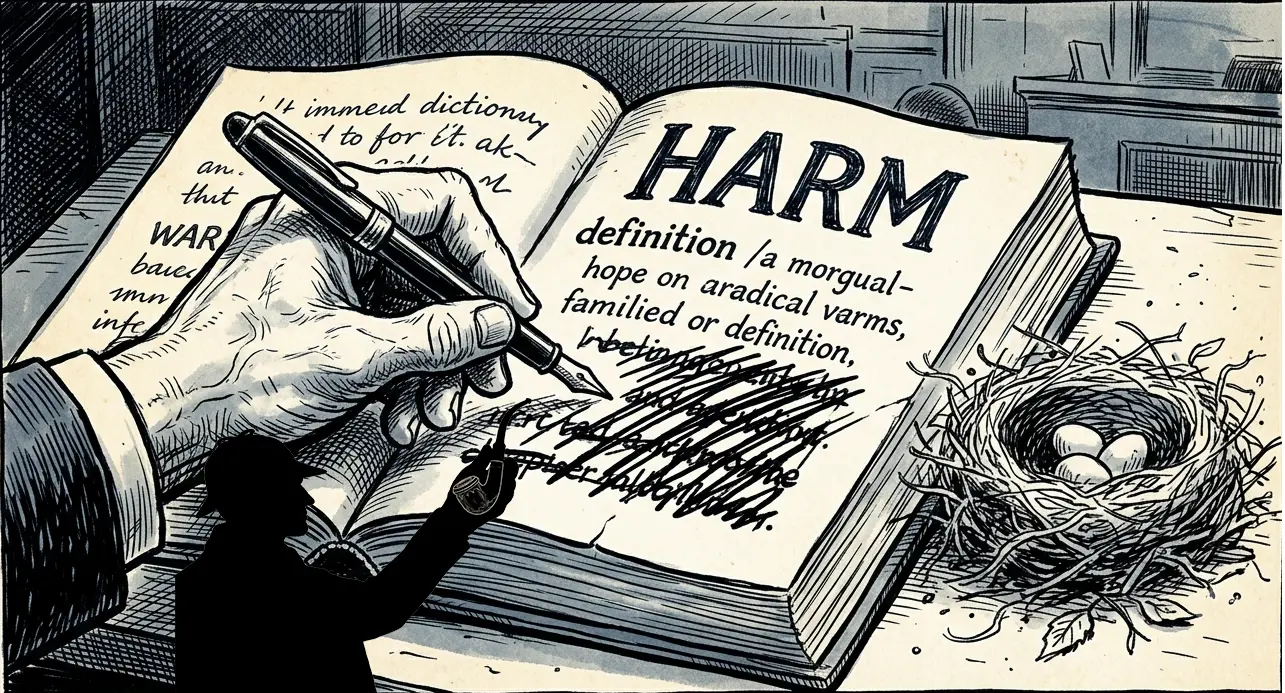
What Counts as Harm
Notes from the Field — July 10, 2026 For fifty years, if a company destroyed the place where an endangered species lived, that counted as harming the species — even if not one animal was directly touched. The Supreme Court upheld that reading in 1995, in Babbitt v. Sweet Home, over the objections of timber…
Written by
-
The Machine That Was Built
Block 8, Article 2 — The Argument Feels Spontaneous. It Is Not. Same think tank. Same talking points. Same op-ed in three different papers the same week. Same expert on three different networks the same morning. The argument feels spontaneous. It is not. It is the output of an infrastructure that Powell called for in…
Written by
-
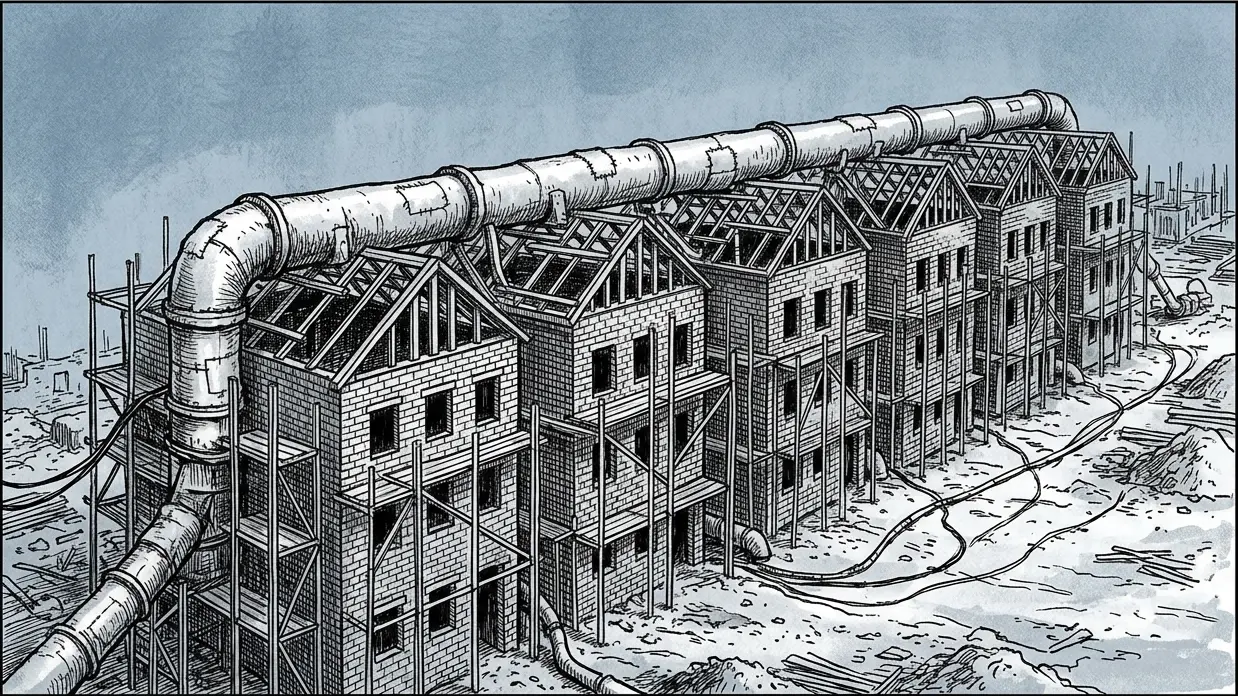
The room was built this way on purpose. Now it’s finishing the job.
Notes from the Field — July 7, 2026 In 1934, Congress passed a law to stop ranchers from destroying the public range. Ninety-two years later, the agency that law created is rewriting its own rules — and the rewrite removes the public from the room. This is Broken Frames Block 9’s argument, documented in real…
Written by
-
Powell’s Bitter Remedy
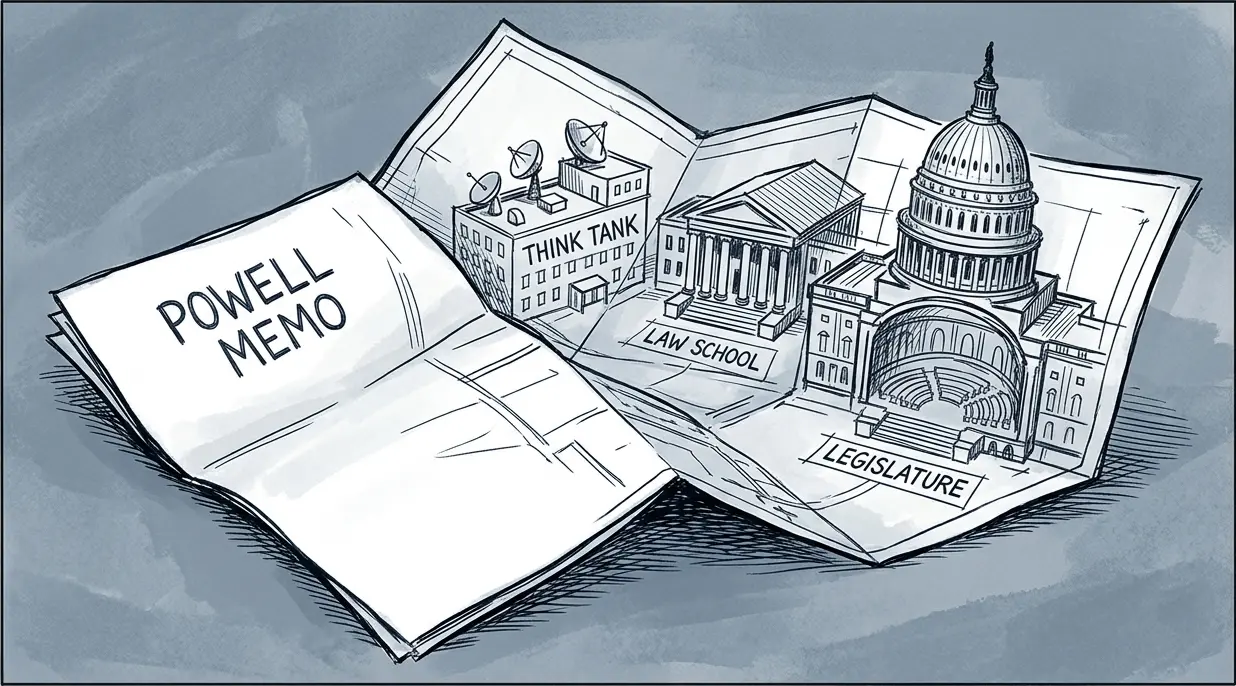
Block 8, Article 1 — He Was Not Describing a Conspiracy. He Was Writing a Business Plan. On August 23, 1971, a corporate attorney named Lewis Powell sent a confidential memorandum to the U.S. Chamber of Commerce. He was not a fringe figure. He sat on the boards of eleven corporations, served as the Chamber’s…
Written by
-
The Rule That Judges Itself
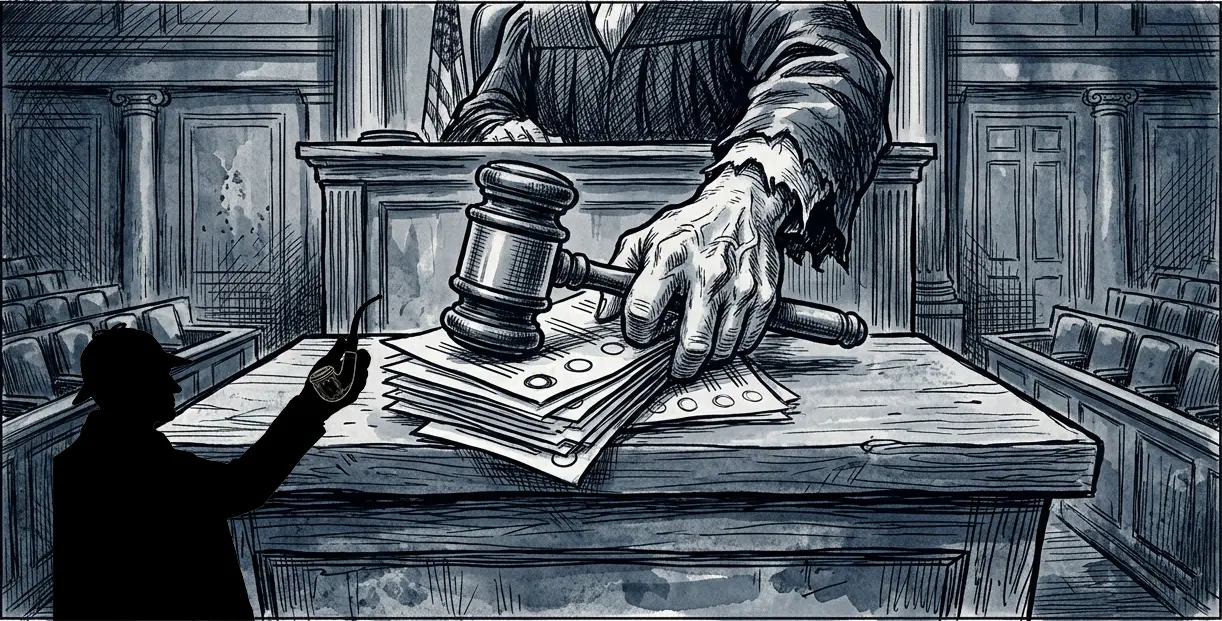
Notes from the Field — July 23, 2026 There is a sentence in the Constitution that has sat mostly dormant for forty years, doing nothing, waiting. It says the House judges its own elections. Not a court. Not a state. The House. Article I, Section 5 gives each chamber of Congress sole authority to decide…
Written by
-
The Question the Court Never Asked
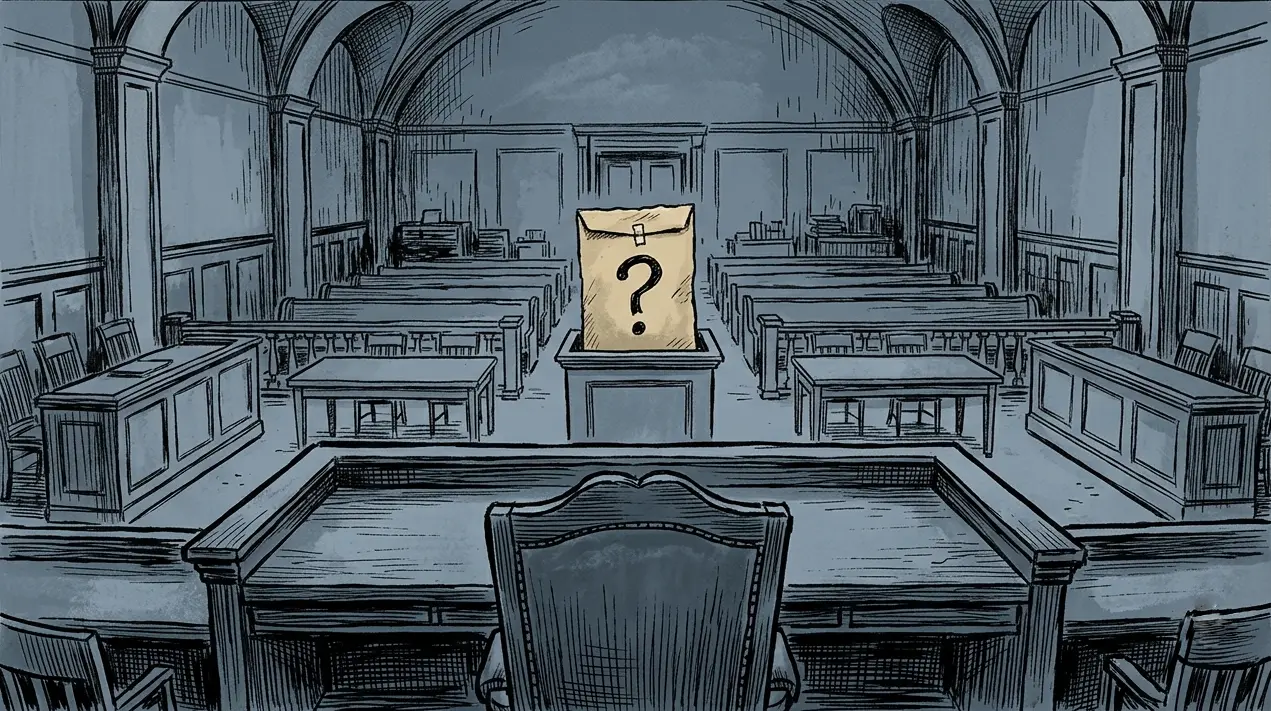
Block 7, Article 4 — The Door That Doesn’t Require the Bench Steve Sagnotti · thebrokenframes.substack.com Citizens United v. FEC asked one question: can the government restrict how corporations spend money on elections? The Court answered no. It never asked the prior question: where does a corporation get the authority to spend money on elections…
Written by
-
Unlimited, By Design
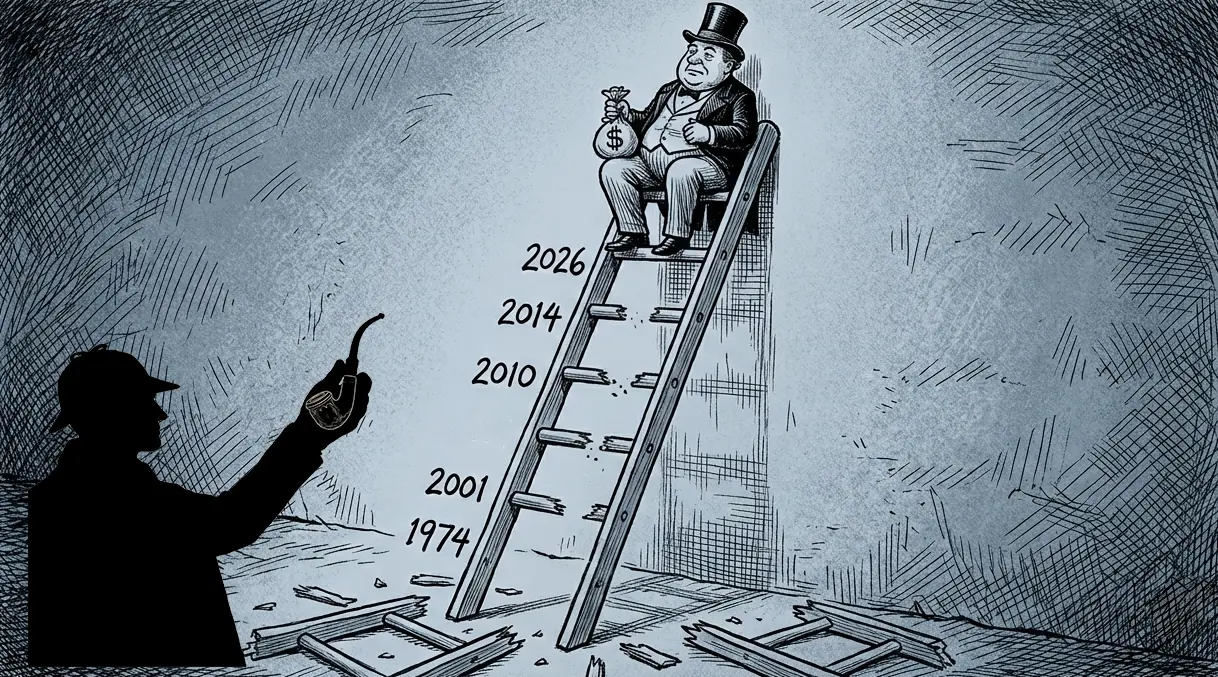
Notes from the Field — Dispatch, June 30, 2026 Congress built the ladder in 1974, in the wreckage of Watergate, to keep large money from walking straight into a candidate’s campaign account. On June 30, the Supreme Court removed the last rung. The case was National Republican Senatorial Committee v. Federal Election Commission — brought by…
Written by
-
Every Remedy, Closed
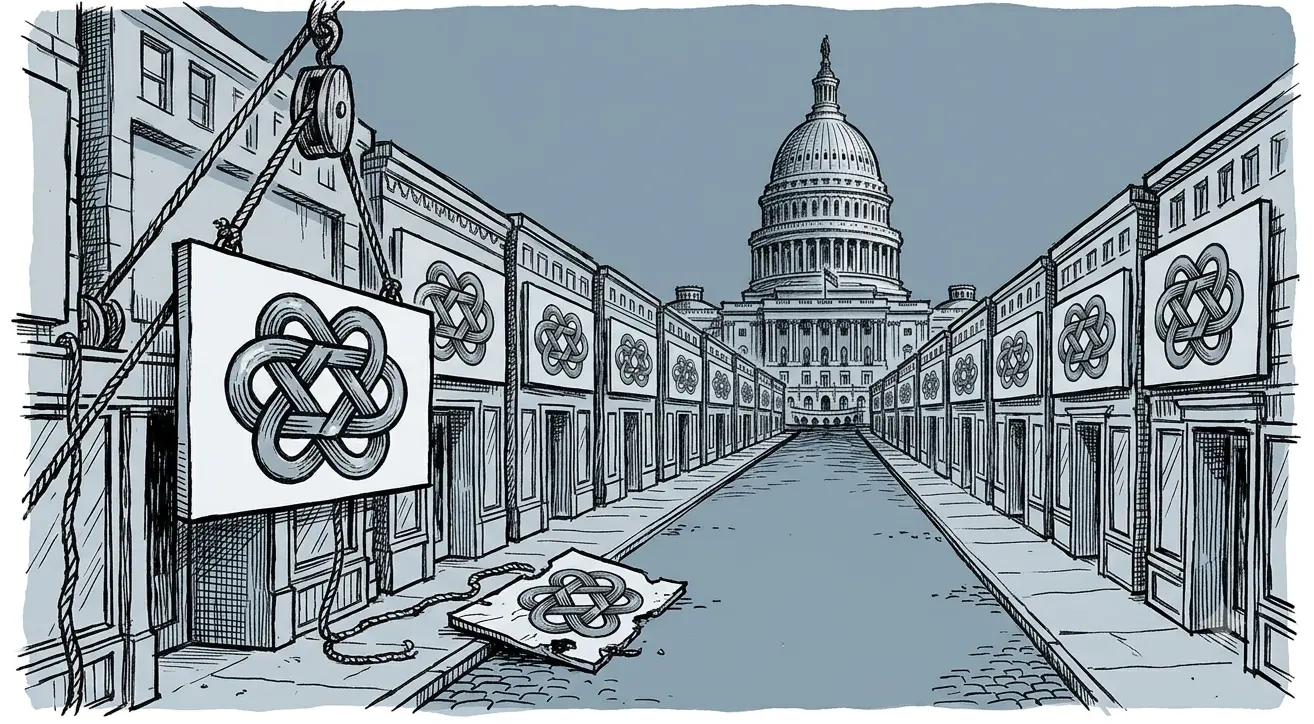
Block 7, Article 3 — The Referee Was Appointed by the Team Steve Sagnotti · thebrokenframes.substack.com By 2010 the pipeline was producing. The bench was six seats held by Federalist Society affiliations. The legal architecture Article 2 documented — corporate personhood, money as speech — was in place. What remained was to use it. The…
Written by
-
The One Exception
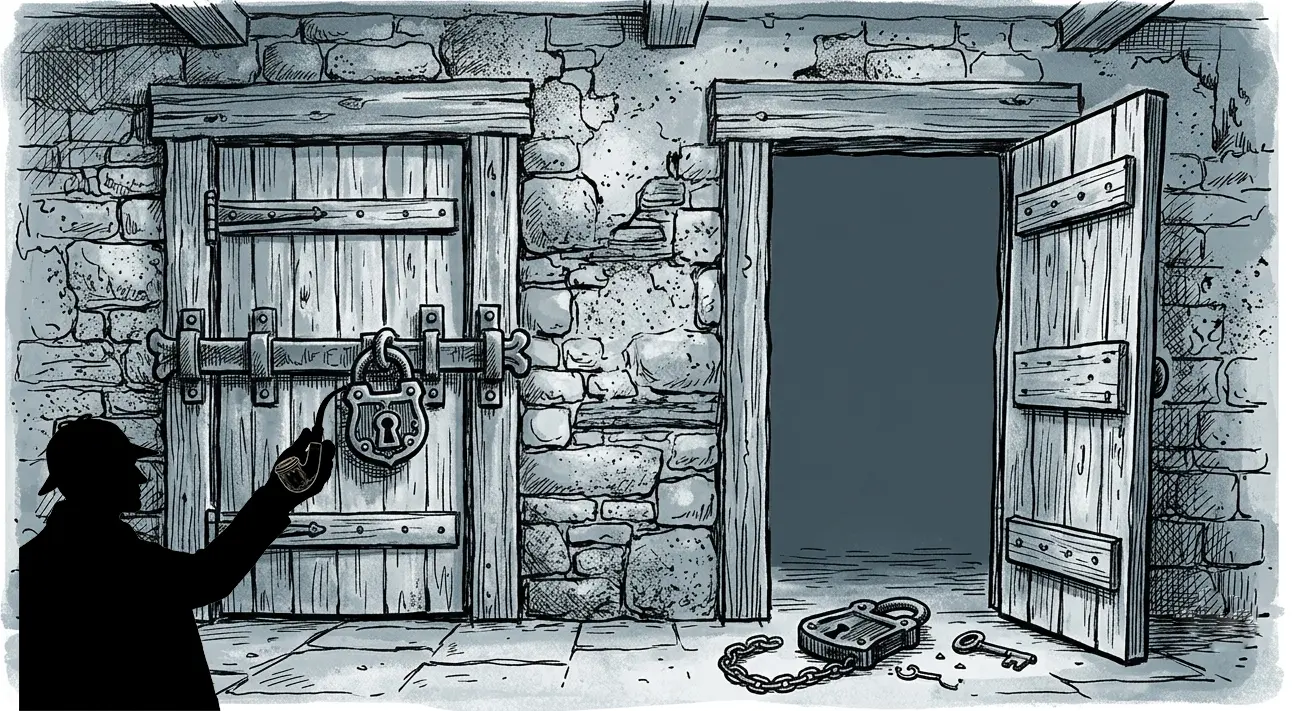
Notes from the Field — Dispatch, June 29, 2026 On the same afternoon, the Supreme Court told the president two different things about the same power. Both cases asked the same question: can the president remove the head of an agency Congress built to be independent of him? In Trump v. Cook, the answer was no…
Written by
-
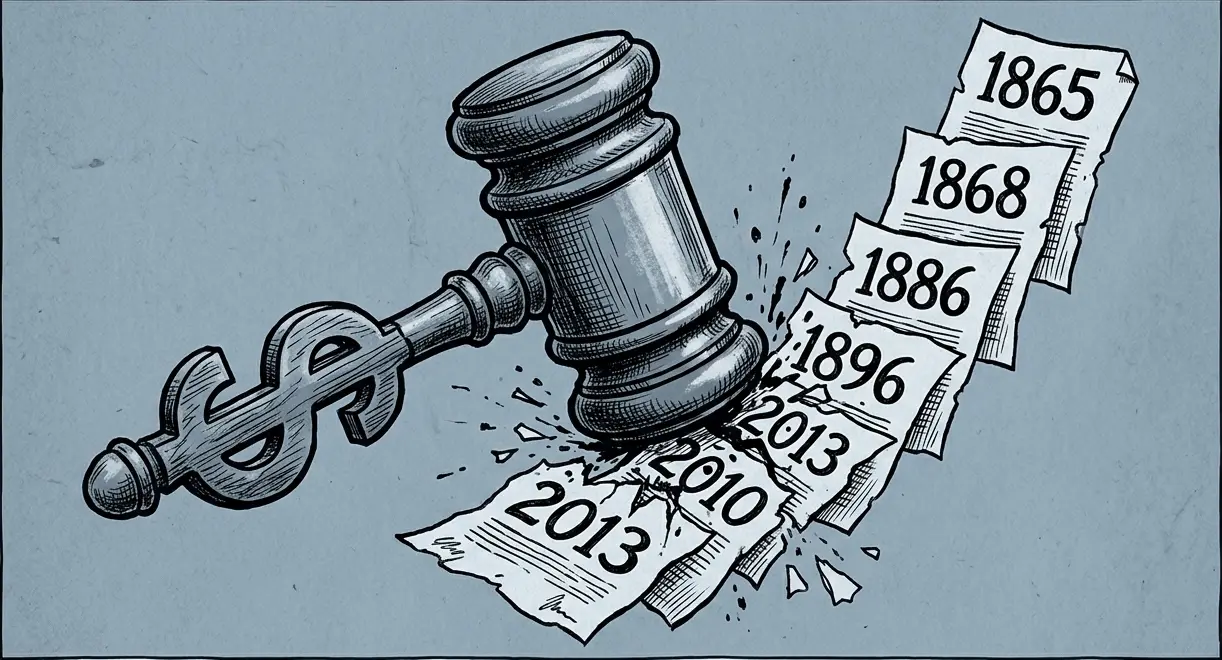
The Amendment That Wasn’t for Them
Block 7, Article 2 — Same Amendment. Different Outcomes. Consistent Beneficiaries. Steve Sagnotti · thebrokenframes.substack.com In 1868 Congress ratified the Fourteenth Amendment. Section 1 established the citizenship and constitutional rights of formerly enslaved people. The language was direct: all persons born or naturalized in the United States are citizens. No state shall deprive any person…
Written by