Notes from the Field — August 21, 2026
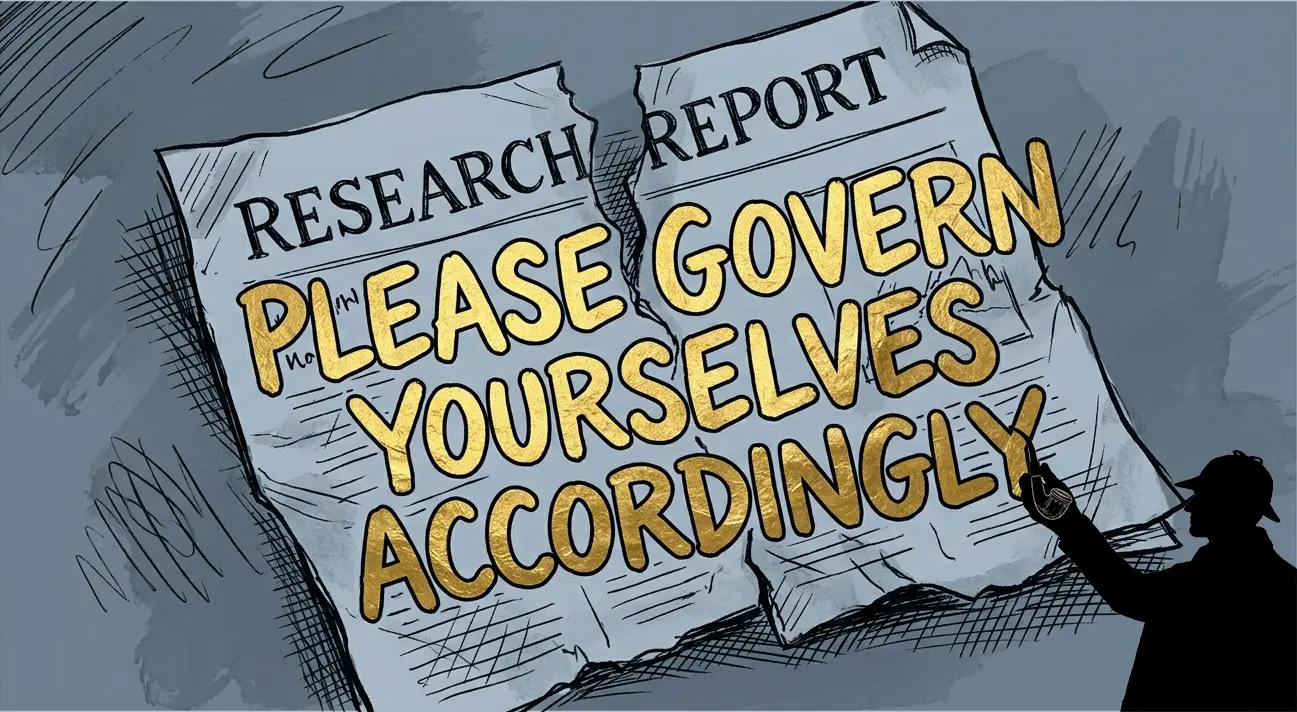
The Center for American Progress ran the numbers on National Guard deployments the administration credited with cutting crime in Washington, Memphis, and Los Angeles. The finding wasn’t close: crime had already been falling in all three cities before the deployments started, and the rate of decline didn’t measurably change once the Guard arrived. The think tank put a price tag on it too — over $1.7 billion in taxpayer cost if the deployments run through the end of 2026. Within weeks, the president’s personal attorney sent CAP a nine-page letter. Retract the report, apologize, pay the president compensation — or face a lawsuit seeking at least $5 billion. The letter closed: “PLEASE GOVERN YOURSELVES ACCORDINGLY.”
CAP didn’t retract. Its attorney called the threat what it looked like: “truth is not and cannot be defamation.” CAP president Neera Tanden was blunter — “a transparent attempt to silence us. We will neither cower nor bend.” What makes the number worth pausing on isn’t that $5 billion is absurd on its face, though it is, for a think tank whose annual budget is a rounding error against that figure. It’s that the letter doesn’t argue CAP got the math wrong. It argues that publishing the math at all — a comparison of crime trends in cities that got the deployment against cities that didn’t — constitutes “malicious and defamatory” conduct. The dispute isn’t over the finding. It’s over whether the finding was allowed to exist in public.
This isn’t a one-off temper. The same attorney’s playbook has run this year against The Wall Street Journal for $10 billion over an Epstein story, and against The New York Times for $15 billion over an endorsement the president didn’t like. Three different targets, three different subjects, the same structural move: a legal threat sized not to win in court but to make the target’s insurer, board, or funders start asking whether the story was worth the exposure. A defamation suit that survives motion practice is a genuine remedy for genuine falsehood. A defamation threat sized at ten figures, aimed at a nonpartisan research shop for publishing a data comparison, is doing something else — it’s pricing the act of disagreeing with the government high enough that the next research shop thinks twice before running the numbers at all.
That’s the mechanism this project keeps finding under different names: the validating channel — peer-reviewed research, an inspector general, a beat reporter, here a nonprofit crime analyst — doesn’t have to be outlawed to stop functioning. It only has to become expensive enough, often enough, that fewer people are willing to be the one who runs it next time. Nobody has to lose in court for that chilling effect to land. The letter itself is the instrument.
What would have to change isn’t a new speech protection — the First Amendment already covers exactly this, publishing facts contrary to a government’s preferred narrative. What would have to change is whether a lawsuit that everyone involved expects to lose gets filed anyway, because losing was never really the point.
Origin case: TNG Essay 6 — The Evidence They Won’t Answer
(candidate-new-discriminator — The Broken Gauge: no existing BF member’s language covers a legal-threat-as-suppression instrument aimed at an independent research organization; flagged for the taxonomy project rather than forced into an imperfect fit)
Copyright 2026 — Steve Sagnotti
Sources: PBS NewsHour / AP, “Trump threatens lawsuit against nonprofit that questioned whether National Guard plan lessened crime,” Aug. 22, 2026. CBS News, “Trump threatens defamation suit against left-leaning think tank,” Aug. 2026. The Hill, coverage with full text of the Brito letter, Aug. 2026. Mediaite, “Trump Threatens $5 Billion Defamation Suit,” Aug. 2026. HuffPost, CAP’s public statement in full, Aug. 2026.
Leave a Reply