Notes from the Field — October 3, 2026
Where the prosecutor’s picture of the case came from, and who has been asked to check it.
In November 2024 a Cornell student told Cornell’s own police that she had been raped by several men at a fraternity house. This fall a governor removed the county prosecutor from the case and handed it to the state attorney general. In between, the report, the evidence-gathering, the discipline and the summary the prosecutor relied on all began inside one institution.
The allegations are just that. Jane Doe’s civil suit, filed Sept. 14, says seven current and former members of the fraternity drugged and raped her on Oct. 19, 2024. Lawyers for two of the men have publicly denied their clients took part in a sexual assault. No criminal charges have been filed against any of the seven.
The path through the university
Cornell ran its own Title IX investigation. According to President Michael Kotlikoff, two of the accused students were expelled, two were suspended for at least two semesters, one graduated before sanctions could be imposed, and two were found not responsible. Doe’s lawsuit says some of the men were offered disciplinary options that included writing essays. That is the suit’s claim, not an established finding.
The path to the prosecutor
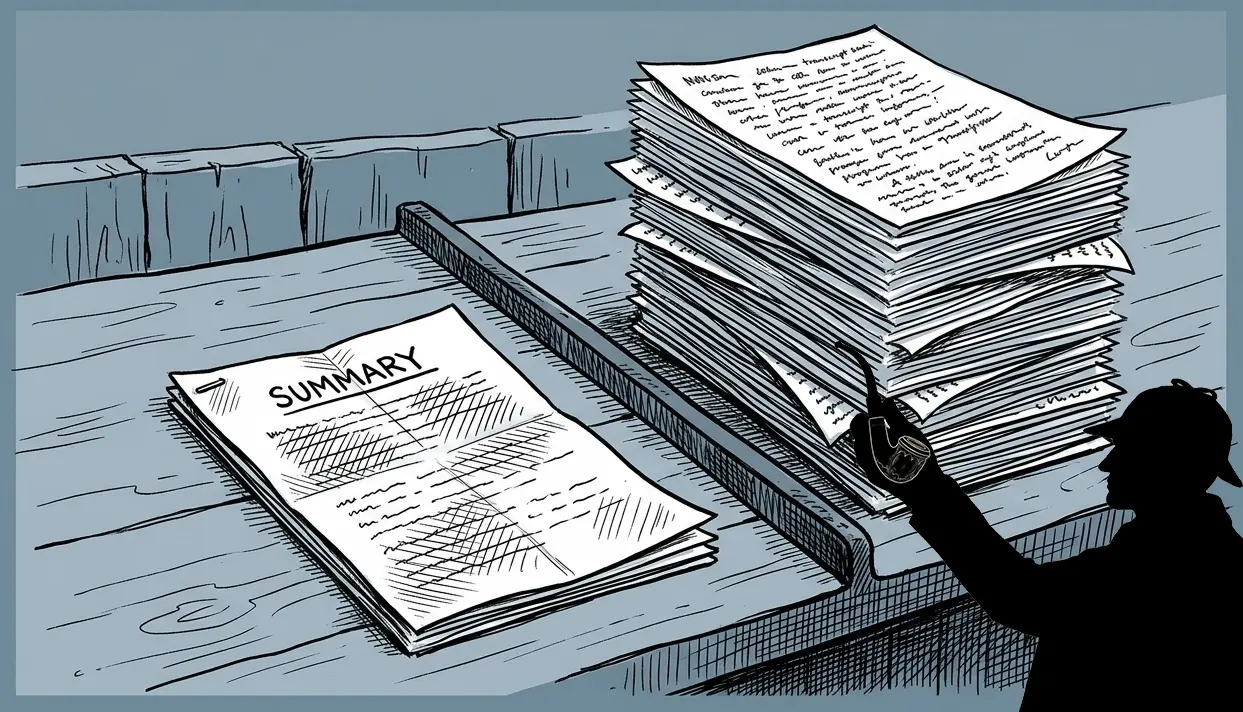
On the criminal side, Cornell’s police investigator took tips, interviewed witnesses and contacted lawyers for the accused, according to documents ABC News reviewed. The New York Times first reported what the prosecutor’s office received: a condensed version of the police material, including a six-page summary of Doe’s statements. According to ABC’s reading of the documents, the office declined to review the rest, including additional interview transcripts. A police note from Nov. 25, 2024 records an investigator in the district attorney’s office saying that, based on her statement, charges would not be pursued.
Tompkins County District Attorney Matthew Van Houten has given two accounts of that decision at different points. Earlier, he said the statement as received did not allege nonconsensual sexual activity under New York law. After he was removed, he said: “It has become clear that we were not provided the full picture by the University.”
Gov. Kathy Hochul put the failure on both sides. She called sending a partial record “a failure,” and she asked, of the prosecutor: “In what world does the district attorney not interview her or even request the full transcript?”
Where the accounts split
One detail is in direct dispute. Van Houten says his office did not receive a screenshot from a fraternity group chat that appears in the civil complaint. Cornell says the investigative material it gave prosecutors did include that image. Nothing reviewed for this piece settles which is right, and this dispatch does not try to.
The transcript of Doe’s police interview, as one report describes it, shows she told investigators she was certain she had been raped.
Who checks the check
Hochul signed an order Oct. 1 appointing Attorney General Letitia James as special prosecutor, saying the matter should be handled “without conflict or bias.” On Oct. 6 Cornell’s trustees appointed Sally Yates, a former deputy attorney general, to review how the university handles sexual misconduct complaints, how its discipline process works, and whether campus police responses were adequate. News reports the same week said Cornell faculty were preparing a no-confidence vote on the administration.
What it comes down to
Known: the 2024 decision not to charge turned on a summary. Known: the summary came from Cornell’s police, and the district attorney now says he did not get the full picture. Known: Cornell’s own process produced the discipline, and its trustees chose the person reviewing that process.
Inferred, as this dispatch’s reading and not a finding: when the same institution is the source of the report, the evidence and the summary, the person deciding has no second source to compare against. The state’s response, moving the case to someone outside both offices, fits that reading. It does not prove it. Whether it was a failure to send more or a failure to ask for more is exactly what the outside reviews are being asked to find.
One summary, six pages long, stood between a statement and a decision.
Origin case: TNG Essay 13 — The False Frame
Copyright 2026 — Steve Sagnotti
Sources: ABC News (Oct. 2–3) and ABC7 New York (Oct. 2) on the DA’s office, the six-page summary and Hochul’s and Van Houten’s statements; Law Commentary on the timeline, Kotlikoff’s discipline figures, the lawsuit and the screenshot dispute; The New York Times (Oct. 1–6) and NBC News (Oct. 3) headlines on the evidence the DA did not review; Guardian (Oct. 1 and Oct. 6) and NPR (Oct. 6) on the special prosecutor and the Yates review; CNN headline via Google News (Oct. 6) on the faculty vote.
Leave a Reply